

Written & Medically Reviewed By Dr. Jigisha Chaudhary, Consultant Pediatrician with over 20+ years of experience
Last Updated: 03 September 2026
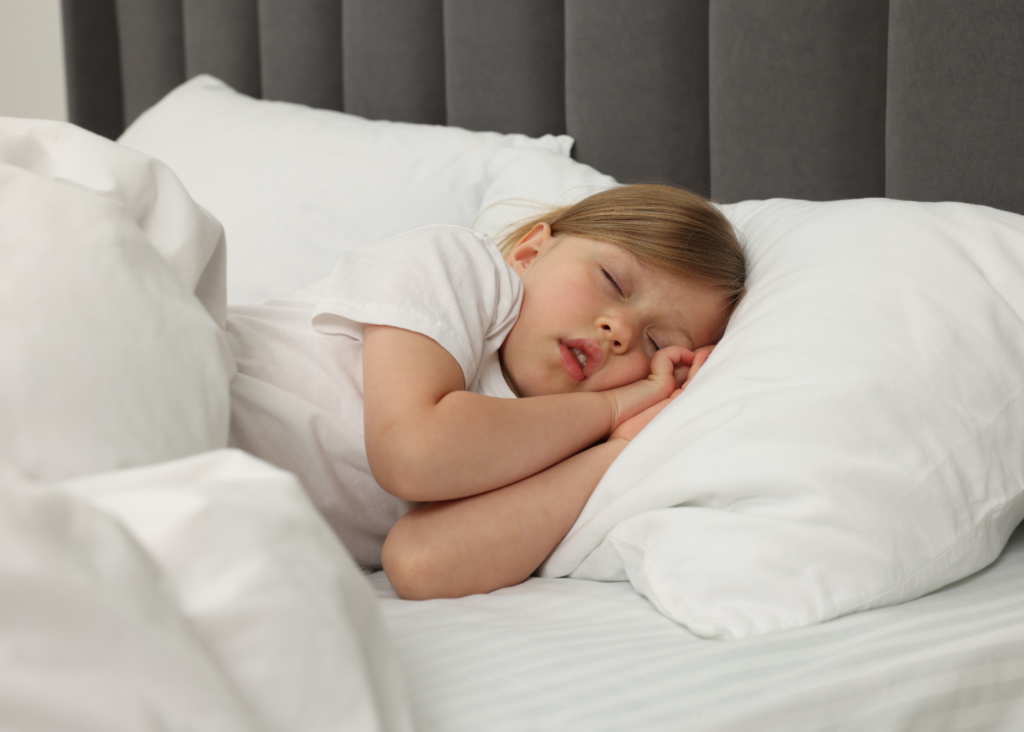
Hearing your child snore at night can leave you wondering whether it is simply part of childhood or something that needs medical attention. Parents commonly search questions such as “is it normal for babies to snore?”, “is it normal for toddlers to snore?”, or “why is my toddler snoring all of a sudden?”
Occasional snoring can happen in children, particularly when they have a cold, allergies, or nasal congestion. However, frequent, loud, or persistent snoring in children can sometimes indicate that a child’s airway is partially obstructed during sleep and may need to be evaluated by a pediatrician.
At Colonia Pediatrics, we encourage parents to pay attention not only to whether their child snores, but also to how often they snore and whether other nighttime or daytime symptoms occur.
Some children snore occasionally, and light or intermittent snoring does not necessarily indicate a medical problem. Children may snore depending on their sleep position or when congestion from a cold or allergies makes it harder for air to move freely through the nose and throat.
So, is it normal for kids to snore? It can be. The important consideration is whether the snoring is occasional or happens regularly.
Toddler snoring can have several possible causes. Some are temporary, while others may require evaluation.
When a child has a cold, the nasal passages can become congested. This can make breathing through the nose more difficult and lead to temporary snoring.
This is why toddler snoring when sick is relatively common. Likewise, baby snoring when sick may occur because congestion affects normal airflow.
If you notice, “my toddler snores and sounds congested,” consider whether your child has recently developed a cold or another respiratory illness.
Allergies can cause nasal congestion and make it more difficult for a child to breathe comfortably through the nose while sleeping.
A child who snores more frequently during allergy season may be experiencing congestion related to environmental allergies.
Enlarged tonsils or adenoids can narrow the upper airway and contribute to snoring.
Other anatomical factors can also affect airflow. identifies enlarged tonsils and adenoids, a deviated septum, narrow palate, small jaw and narrowing of the larynx among potential anatomical contributors to childhood snoring.
Some children are more likely to snore in certain sleep positions. Sleep position can affect how easily air moves through the upper airway.
Parents frequently ask, “is it normal for toddlers to snore?”
Occasional snoring, especially during a cold or period of nasal congestion, may not be concerning. But regular or loud snoring in toddlers deserves more attention.
If your child snores night after night even when healthy, talk with your pediatrician. Persistent snoring can sometimes be associated with sleep-disordered breathing or obstructive sleep apnea.
Parents of younger children may wonder whether 1 year old snoring is normal.
An 1 year old baby snoring during a cold or period of congestion may simply be related to temporary difficulty breathing through the nose. However, frequent or loud snoring should be discussed with a pediatrician.
If you are asking, “is it normal for babies to snore?”, the answer depends on the circumstances. Occasional noisy breathing may occur, but persistent snoring should not automatically be considered normal.
2 year old snoring can occur for many of the same reasons as snoring in younger children, including congestion, allergies, sleep position and enlarged tonsils or adenoids.
So, is it normal for a 2 year old to snore?
Occasional snoring can happen. If your 2 yr old snoring occurs frequently, is particularly loud, or is accompanied by gasping, choking, pauses in breathing or restless sleep, speak with your child’s pediatrician.
A 3 year old snoring occasionally during an illness may not be unusual.
However, if you find yourself saying, “my 3 year old snores” almost every night, it is worth discussing the pattern with your pediatrician.
The same applies to 4 year old snoring. An occasional 4 year old snores episode during a cold is different from persistent snoring that occurs throughout the night when the child is otherwise healthy.
Age alone does not determine whether snoring is concerning. The frequency, loudness and associated symptoms matter more.
One of the most important questions parents have is toddler snoring when to worry.
Persistent, loud snoring is more concerning when it occurs with other symptoms. recommends evaluation when a child has loud, persistent snoring along with symptoms such as mouth breathing, witnessed breathing pauses, restlessness, gasping, difficulty waking or daytime fatigue.
Watch for noticeable pauses in your child’s breathing during sleep.
Gasping, choking or struggling to breathe during sleep should be discussed with a healthcare professional.
Children with disrupted breathing may sleep restlessly or frequently change positions during the night.
Persistent mouth breathing, particularly during sleep, can be another sign that a child is having difficulty breathing comfortably through the nose.
Poor-quality sleep can affect how children function during the day. Possible effects include tiredness, difficulty focusing and behavioral changes.
No. A snoring toddler does not automatically have sleep apnea.
Children may snore because of temporary congestion, allergies, sleep position or anatomical factors. However, persistent loud snoring combined with pauses in breathing, gasping, restless sleep or daytime symptoms can warrant an evaluation for sleep-disordered breathing.
A pediatrician can assess your child’s symptoms and determine whether additional testing or referral to a specialist may be appropriate.
If my toddler snores and sounds congested, consider whether your child currently has a cold, allergies or another cause of nasal congestion.
If the snoring improves as the illness or congestion resolves, it may have been temporary.
If your toddler snores regularly even when healthy, however, schedule a pediatric evaluation.
Parents can also keep track of:
If possible, a short audio or video recording of the child’s nighttime breathing may also be useful to show the pediatrician.
If you are wondering, “why is my toddler snoring all of a sudden?”, think about what has changed recently.
A sudden onset of snoring can occur when a child develops:
If the snoring continues after your child has recovered, or if it becomes a regular nighttime pattern, contact your pediatrician.
Parents may also search, “why does my 5 year old snore?”
Possible causes include nasal congestion, allergies, enlarged tonsils or adenoids and other factors that affect airflow through the upper airway.
A kid snoring occasionally during an illness is different from a child who snores loudly and persistently. If your child’s snoring happens most nights or is accompanied by breathing difficulties, seek medical advice.
Yes. Enlarged tonsils and adenoids are one of the most common causes of obstructive sleep apnea (OSA) in children. When a child falls asleep, the muscles around the upper airway naturally relax. Enlarged tonsils or adenoids can further narrow the airway, making it harder for air to flow normally. This may cause loud or persistent snoring, mouth breathing, restless sleep, gasping, or pauses in breathing during the night. If your child snores regularly—especially when healthy—or you notice pauses or gasping during sleep, talk with your pediatrician. An evaluation can help determine whether the child has simple snoring or sleep-disordered breathing that may require further assessment.
If your child regularly snores, especially when healthy, it is reasonable to bring the concern to your pediatrician.
You should be particularly attentive if your child has loud snoring along with:
A pediatrician can evaluate your child’s symptoms and determine whether further assessment is necessary. Persistent sleep-related breathing problems can affect sleep quality and daytime functioning, so early evaluation can be helpful.
Families searching for a pediatrician in Elizabeth can also consider Colonia Pediatrics for pediatric care in the surrounding New Jersey communities.
Occasional noisy breathing can occur, particularly when a baby is congested. Persistent or loud snoring should be discussed with a pediatrician.
Baby snoring normal is not a simple yes-or-no question. Temporary snoring during illness or congestion can occur, while frequent snoring deserves evaluation.
Occasional snoring can happen, particularly during colds or allergy symptoms. Frequent or loud snoring should be discussed with your child’s pediatrician.
Occasional 2 year old snoring can occur. Frequent, loud snoring or snoring accompanied by breathing problems should be evaluated.
Regular nighttime snoring should be discussed with a pediatrician, particularly if it is loud or associated with gasping, pauses in breathing, restless sleep or daytime symptoms.
There are several possible causes, including congestion, allergies and enlarged tonsils or adenoids. Persistent snoring should be evaluated by a pediatrician.
Snoring in children can sometimes be temporary and harmless, particularly when a child has a cold or allergies. But childhood snoring that is loud, persistent or accompanied by breathing pauses, gasping, restless sleep or daytime symptoms should not be ignored.
If your toddler snores regularly or you are concerned about your child’s nighttime breathing, talk with your pediatrician. An evaluation can help determine whether the snoring is temporary or whether your child may need additional assessment.
Medical Disclaimer: This article is for general educational purposes and does not replace individualized medical advice, diagnosis or treatment from your child’s healthcare professional.
Written & Medically Reviewed By Dr. Jigisha Chaudhary, Consultant Pediatrician with over 20+ years of experience
Last Updated: 03 September 2026