

Written & Medically Reviewed By Dr. Jigisha Chaudhary, Consultant Pediatrician with over 20+ years of experience
Last Updated: 30 July 2026
Children love spending time outdoors, whether they’re playing in the backyard, hiking local trails, camping with family, or participating in sports. While outdoor activities encourage healthy growth and development, they can also expose children to plants like poison ivy that may cause an uncomfortable, itchy skin rash.
Poison ivy rash is one of the most common causes of allergic skin reactions in children. Although the rash is rarely dangerous, it can be extremely itchy and uncomfortable, especially if large areas of the body are affected. Knowing how to recognize poison ivy, treat the rash properly, and prevent future exposure can help your child recover quickly and avoid complications.
At Colonia Pediatrics, we frequently evaluate and treat children with skin rashes, including poison ivy. If you’re looking for a trusted Pediatrician in Avenel or an experienced Pediatrician in Colonia, our team is here to provide compassionate, personalized pediatric care for your child.
Poison ivy rash is an allergic skin reaction caused by contact with urushiol, a natural oily resin found in poison ivy, poison oak, and poison sumac plants. Even a tiny amount of urushiol can trigger an allergic reaction in sensitive individuals.
The oil can stick to a child’s skin, clothing, shoes, toys, pets, gardening tools, or sports equipment. If it isn’t washed away promptly, it may cause a rash within several hours to a few days after exposure.
Contrary to popular belief, the rash itself is not contagious. Children cannot spread poison ivy to other people by touching the rash or blister fluid. However, urushiol oil remaining on clothing or other objects can continue to cause new reactions until it is thoroughly removed.
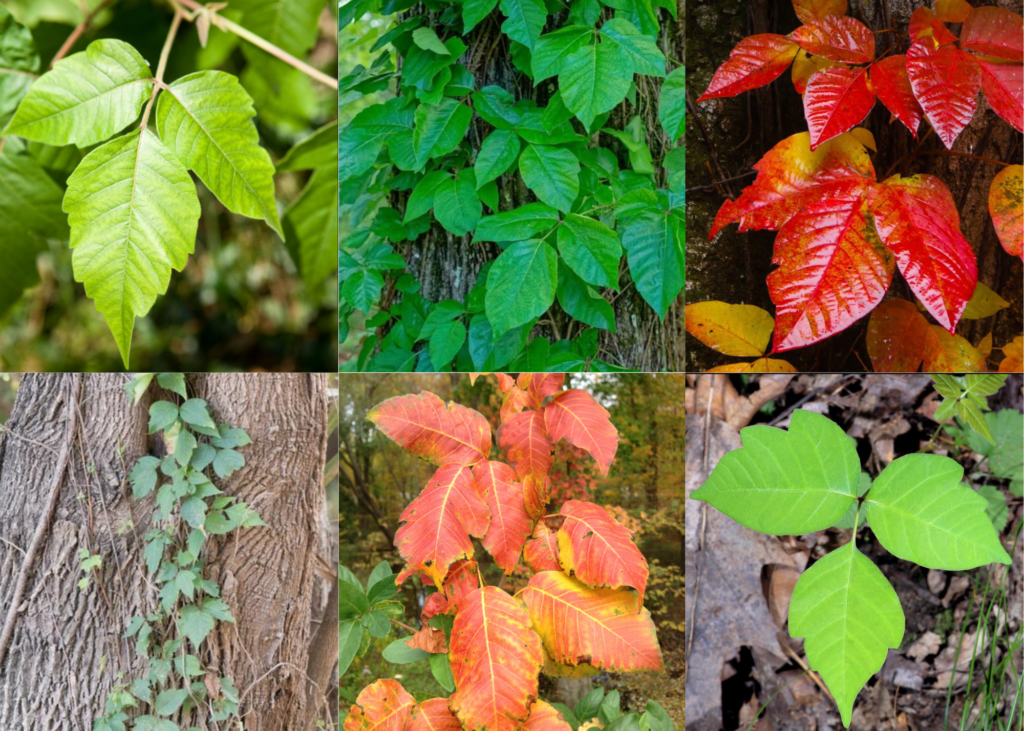
Learning to recognize poison ivy can help families avoid accidental exposure.
Poison ivy typically has:
The familiar saying, “Leaves of three, let it be,” is a helpful reminder for children and adults alike.
Teaching children not to touch unfamiliar plants is one of the best ways to reduce the risk of poison ivy exposure.
The rash develops when urushiol oil comes into contact with the skin and triggers an allergic reaction.
Children may touch poison ivy while:
Urushiol can also spread through contaminated objects such as:
This is why washing exposed items promptly is just as important as washing the skin.
Symptoms usually appear between 12 and 48 hours after exposure, although some children may develop a rash sooner or later depending on their sensitivity.
The first sign is often intense itching followed by redness in the affected area.
The skin may become swollen and tender, particularly if the reaction is moderate or severe.
Small fluid-filled blisters commonly develop. These blisters may break open and crust over as the rash heals.
Importantly, the fluid inside the blisters does not spread the rash.
Because children often brush against the plant, the rash frequently appears in straight lines or streaks where the leaves touched the skin.
Some children experience:
These cases should be evaluated by a pediatrician.
Most poison ivy rashes are diagnosed through a physical examination and discussion of your child’s recent outdoor activities.
A pediatrician evaluates:
The illusion of a spreading rash happens in waves due to localized skin factors, not internal transmission
Your child’s healthcare provider may ask:
In most cases, additional laboratory tests are not necessary.
Most mild poison ivy rashes improve within one to three weeks with proper home care.
If exposure is suspected, wash the affected skin with lukewarm water and mild soap as soon as possible. Early washing can remove urushiol before it binds completely to the skin.
Also wash:
Applying cool, damp compresses several times a day can help reduce itching and swelling.
Your pediatrician may recommend:
Always use medications exactly as directed and avoid applying products that may further irritate the skin.
Scratching can damage the skin and increase the risk of bacterial infection.
Help your child by:
Children with widespread rashes, significant swelling, or involvement of the face or eyes may require prescription of oral corticosteroids or additional medical treatment.
Yes. While poison ivy itself does not cause infection, excessive scratching can break the skin and allow bacteria to enter.
Signs of infection include:
If these symptoms develop, your child should be evaluated promptly.
Preventing exposure is the best way to avoid poison ivy.
Help children learn the appearance of poison ivy and remind them not to touch unfamiliar plants.
When hiking or playing in wooded areas, children should wear:
Encourage children to shower or wash exposed skin after spending time outdoors, especially after hiking or camping.
Wash shoes, backpacks, sports gear, gardening tools, and pet fur if they may have come into contact with poison ivy.
Seek medical care if your child:
Prompt evaluation can help relieve symptoms and prevent complications.
At Colonia Pediatrics, we understand that skin rashes can be stressful for both children and parents. Our experienced pediatric providers diagnose and treat poison ivy rashes, allergic skin reactions, eczema, insect bites, and many other childhood skin conditions.
Whether your child needs reassurance, prescription treatment, or follow-up care, our team is committed to providing personalized pediatric services in a caring and family-friendly environment.
Families searching for a trusted Pediatrician in Avenel, Pediatrician in Colonia, or a reliable pediatric clinic near Avenel can depend on Colonia Pediatrics for expert care when it matters most.
No. The rash itself cannot spread from one person to another. Only urushiol oil left on the skin or contaminated objects can cause additional reactions.
Most mild cases improve within one to three weeks. Severe reactions may take longer and sometimes require prescription medication.
No. The fluid inside poison ivy blisters does not contain urushiol and cannot spread the rash.
Yes, provided your child feels well and any remaining urushiol has been washed from the skin, clothing, and personal belongings. The rash itself is not contagious.
Teach children to recognize poison ivy, wear protective clothing outdoors, wash exposed skin promptly, and clean contaminated clothing and equipment after outdoor activities.
If your child develops an itchy rash after outdoor activities or you are unsure whether it is poison ivy, the experienced team at Colonia Pediatrics is here to help. We provide accurate diagnosis, effective treatment, and personalized guidance to help your child recover comfortably and safely.
Whether you’re searching for a trusted Pediatrician in Avenel, Pediatrician in Colonia, or a compassionate pediatric practice serving families throughout the area, Colonia Pediatrics is dedicated to helping your child stay healthy through every stage of childhood.
Written & Medically Reviewed By Dr. Jigisha Chaudhary, Consultant Pediatrician with over 20+ years of experience
Last Updated: 30 July 2026