

Written & Medically Reviewed By Dr. Jigisha Chaudhary, Consultant Pediatrician with over 20+ years of experience
Last Updated: 20 July 2026
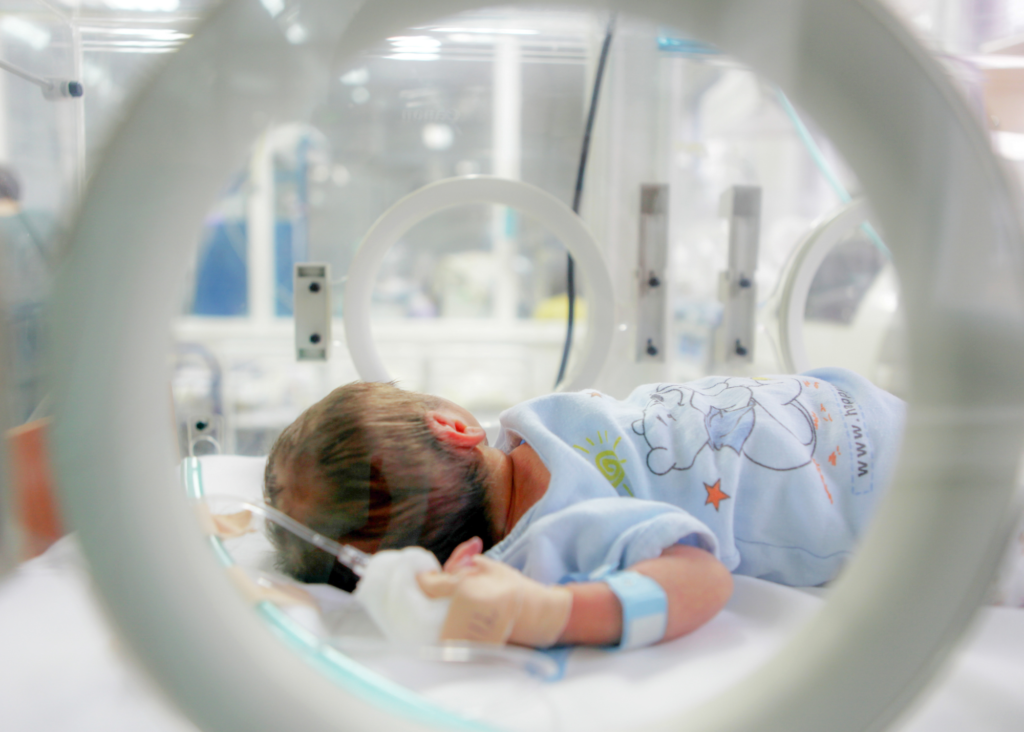
Welcoming a new baby into the world is an exciting and emotional experience. While most newborns transition smoothly after birth, some infants require specialized medical attention immediately after delivery. In these situations, a Neonatal Intensive Care Unit (NICU) provides advanced care for premature babies and newborns with medical complications.
As a trusted pediatrician in perth amboy, Colonia Pediatrics understands that hearing your baby may need NICU care can feel overwhelming. Parents often have questions about the nicu definition, what the various nicu levels mean, and what kind of care their child may receive.
This comprehensive guide explains the different nicu levels of care, what services each level provides, and how healthcare professionals determine the most appropriate setting for newborn care.
The Neonatal Intensive Care Unit (NICU), sometimes referred to as a neonatal icu or neonatal care unit, is a specialized hospital department designed to care for newborns who require close medical monitoring and advanced treatment.
The nicu includes specialized care for:
NICUs are staffed by neonatologists, pediatric specialists, neonatal nurses, respiratory therapists, and other healthcare professionals trained specifically in newborn care.
Not all newborns require the same level of medical intervention. To ensure babies receive the right care at the right facility, hospitals are categorized into different nicu levels of care.
The neonatal intensive care unit levels help healthcare providers determine which hospitals can safely manage specific medical conditions and newborn needs.
The primary levels of nicu care include:
Understanding these different nicu levels can help parents feel more informed and confident during their baby’s care journey.
A level 1 neonatal intensive care unit, commonly known as a level 1 nursery or nursery level 1, provides routine care for healthy, full-term newborns.
Although many people refer to it as a nicu level 1, Level 1 facilities primarily focus on standard newborn care rather than intensive medical treatment.
A level 1 nicu can provide:
Babies requiring advanced interventions are typically transferred to higher levels in nicu care.
A level 2 nicu, also known as a level ii nicu, level 2 neonatal unit, or level 2 neonatal intensive care unit, provides specialized care for infants who need more support than a standard nursery can offer.
The level 2 nicu meaning refers to facilities capable of caring for moderately premature infants and newborns with mild health concerns.
A level 2 neonatal care unit typically treats:
Parents often ask, what is a level 2 nicu? It serves as an intermediate step between routine newborn care and intensive neonatal care.
Compared with a standard nursery, nursery level 2 facilities provide:
Short-term respiratory care
A level 3 nicu, sometimes referred to as a level iii nicu, level iii neonatal intensive care unit, or level three nicu, provides comprehensive medical care for critically ill newborns.
Many parents search online for what is level 3 nicu or what is a level 3 nicu when their baby requires specialized treatment after birth.
A nicu level 3 facility can provide:
Around-the-clock neonatal specialists
Typical level 3 nicu requirements include:
Access to pediatric subspecialists
Babies who may require level iii nicu care include:
Babies needing long-term respiratory support
A level 4 nicu, also called a level iv nicu, level four nicu, or level 4 neonatal intensive care unit, represents the most advanced level of neonatal medical care available.
When parents ask what is a level 4 nicu or what is the highest level of nicu, this is typically the answer.
Level IV (four) NICUs offers the highest level of medical care for newborns and premature infants available. These facilities are equipped to care for the most complex neonatal conditions and the sickest and smallest newborns, no matter what their gestational age at birth.
These facilities have all the capabilities of a Level III NICU, plus they employ more experienced staff with 24/7 access to medical and surgical specialists who care only for children.
Level IV NICUs provide the same services as a Level III NICU and:
For families asking about the highest level of nicu, Level 4 facilities provide the most comprehensive treatment available for critically ill newborns.
One feature that distinguishes many Level 4 centers is ecmo nicu support.
Extracorporeal Membrane Oxygenation (ECMO) temporarily performs the function of the lungs and heart while newborns recover from severe illness.
Typical level 4 nicu requirements include:
Specialized transport teams
One of the most common questions parents ask is about level 3 vs level 4 nicu care.
Feature | Level 3 NICU | Level 4 NICU |
Mechanical Ventilation | Yes | Yes |
Neonatal Surgery | Limited | Comprehensive |
ECMO Support | Sometimes | Usually Available |
Pediatric Surgical Specialists | Limited Access | On-Site |
Complex Congenital Conditions | Some Cases | Advanced Cases |
Routine newborn care
Specialized care for moderately ill infants
Advanced intensive neonatal care
Highest level of neonatal intensive care
These nicu levels explained categories help hospitals deliver appropriate care based on each newborn’s unique needs.
Some parents search for level 5 nicu when researching neonatal care.
Currently, the American Academy of Pediatrics recognizes Levels 1 through 4. While some hospitals may market themselves as offering exceptional neonatal programs or advanced nicu rankings, there is no officially recognized Level 5 NICU classification.
A common question among parents is the difference between a special care nursery vs nicu.
A Special Care Nursery typically cares for babies with mild to moderate health concerns, while a NICU provides intensive treatment for critically ill or premature infants.
The level of monitoring, staffing, equipment, and interventions available increases significantly as newborns move through higher levels of nicu care.
Healthcare providers evaluate several factors, including:
Based on these assessments, newborns are assigned the most appropriate level of nicu care to ensure optimal outcomes.
Regardless of the nicu level, parents remain an important part of their baby’s care team.
Many NICUs encourage:
Some hospitals also offer developmental programs such as the sense program nicu, which supports sensory development and bonding opportunities for hospitalized infants.
Parents often search for nicu near me when preparing for delivery or managing a high-risk pregnancy.
Your obstetrician, neonatologist, or pediatrician can help identify hospitals that provide the appropriate levels of care in nicu settings based on your baby’s anticipated needs.
Families in New Jersey should discuss delivery planning with their healthcare providers to ensure access to the right neonatal services if specialized care becomes necessary.
After a newborn leaves the neonatal intensive care unit, ongoing pediatric care becomes essential for monitoring growth, development, feeding progress, and overall health.
At Colonia Pediatrics, our experienced team provides comprehensive newborn and infant care for families throughout Avenel, Colonia, Woodbridge, and surrounding communities. Whether your child spent time in a level 2 neonatal intensive care unit, level iii neonatal intensive care unit, or level iv nicu, we are here to support your family every step of the way.
Understanding the various nicu levels can help parents feel more prepared if their newborn requires specialized medical care. From level 1 nursery services to the advanced capabilities of a level 4 neonatal intensive care unit, each level plays an important role in ensuring newborns receive appropriate treatment based on their medical needs.
If you have questions about newborn health, developmental milestones, or post-NICU follow-up care, schedule an appointment with Colonia Pediatrics. Our compassionate team is dedicated to helping your child thrive from infancy through adolescence.
Written & Medically Reviewed By Dr. Jigisha Chaudhary, Consultant Pediatrician with over 20+ years of experience
Last Updated: 20 July 2026