

Written & Medically Reviewed By Dr. Jigisha Chaudhary, Consultant Pediatrician with over 20+ years of experience
Last Updated: 28 September 2026
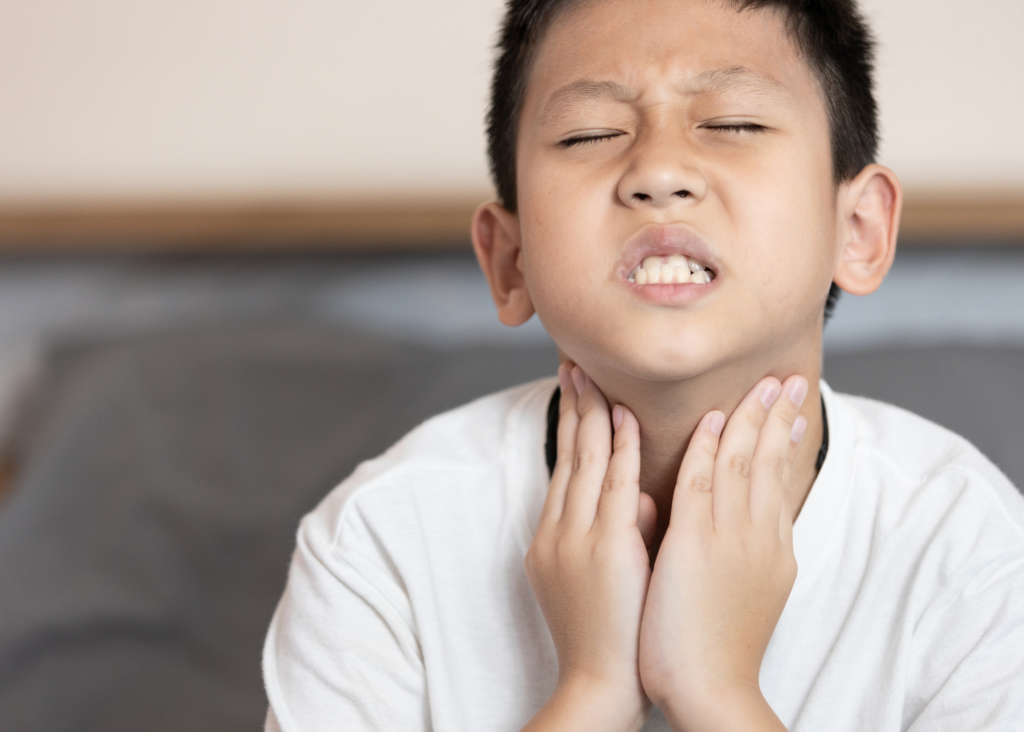
Hearing your child suddenly develop a raspy or hoarse voice can be alarming for parents. Whether your toddler lost their voice overnight or your infant has a croaky voice and dry cough, laryngitis is a common childhood condition.
At Colonia Pediatrics, families searching for a trusted pediatrician in Avenel often ask about laryngitis, its causes, and treatment options.
Laryngitis occurs when the voice box, also called the larynx, becomes inflamed.
The condition may cause:
A child losing their voice with no other symptoms may still have mild laryngitis.
Common laryngitis causes include:
The most frequent cause of laryngitis in kids is a viral infection such as:
Children who:
may temporarily strain their vocal cords.
Exposure to:
can trigger inflammation.
Although less common, bacterial infections can occasionally cause more serious symptoms.
One of the most frequently asked questions is:
“Is laryngitis contagious?”
The answer depends on the underlying cause.
If laryngitis is caused by a virus or bacterial infection, the infection itself may be contagious and spread to others.
Parents often ask:
In most cases, viral infections are responsible and can spread through respiratory droplets.
Yes. Laryngitis in infants and laryngitis in babies can occur, particularly during viral illnesses.
Parents may notice:
If a baby develops breathing difficulties, feeding problems, or significant distress, medical evaluation is recommended immediately.
Laryngitis in toddlers often presents as:
Most cases improve within several days to two weeks.
Parents frequently wonder:
“How long can viral laryngitis last?”
Typical recovery occurs within:
Symptoms should gradually improve over time.
Hydration helps keep the throat moist and comfortable.
Avoid excessive yelling, singing, or talking when possible.
Using a cool-mist humidifier may help soothe irritated airways.
Rest supports immune function and recovery.
Parents often ask:
“Can ibuprofen help laryngitis?”
Ibuprofen may help relieve discomfort or fever in some situations, but it does not treat the underlying cause of laryngitis.
Always consult your pediatrician before giving medications to infants or young children.
Seek medical care if your child experiences:
Parents may also notice that laryngitis can occur alongside other illnesses such as bronchitis or influenza.
You can help reduce the likelihood of infections by:
Laryngitis in kids is usually mild and temporary, but parents should understand the symptoms, causes, and warning signs that warrant medical attention. Whether your child has a hoarse voice, has lost their voice, or is recovering from a viral illness, monitoring symptoms and seeking guidance when needed can support a safe recovery.
If you’re looking for a trusted pediatrician in Avenel, the team at Colonia Pediatrics is ready to help with childhood illnesses, developmental concerns, and preventive pediatric care.
Laryngitis itself is inflammation of the voice box. If the condition is caused by a viral or bacterial infection, the infection may be contagious and spread to others through respiratory droplets.
When laryngitis is caused by a viral infection, a child may be contagious for several days or until symptoms improve. The exact duration depends on the underlying illness causing the inflammation.
Common laryngitis causes include viral infections, excessive voice use, allergies, environmental irritants, acid reflux, and less commonly, bacterial infections.
Yes. Laryngitis can occur in infants and babies, often as part of a viral respiratory illness. Parents may notice a hoarse cry or changes in their baby’s voice.
A toddler may lose their voice because of laryngitis, excessive shouting, viral infections, allergies, or irritation of the vocal cords. A pediatric evaluation may be recommended if symptoms persist.
Parents can promote healthy brain growth by providing proper nutrition, regular sleep, reading opportunities, physical activity, positive interactions, and a safe, nurturing environment.
Encouraging hydration, using a humidifier, ensuring adequate rest, and limiting excessive talking or yelling can help support recovery.
Ibuprofen may help reduce discomfort or fever associated with laryngitis, but it does not treat the underlying cause. Parents should follow their pediatrician’s guidance regarding medication use.
Contact your pediatrician if your child has difficulty breathing, trouble swallowing, signs of dehydration, persistent fever, worsening symptoms, or hoarseness lasting longer than two weeks.
Laryngitis primarily affects the voice box and causes hoarseness. Croup also involves airway inflammation and commonly causes a distinctive barking cough and noisy breathing, especially in younger children.
Yes. Some children may develop hoarseness or lose their voice without fever, cough, or noticeable illness, often due to vocal strain or mild inflammation.
Not necessarily. A raspy voice may also be caused by allergies, vocal cord strain, reflux, dry air, or other respiratory conditions. Persistent symptoms should be evaluated by a pediatrician.
Written & Medically Reviewed By Dr. Jigisha Chaudhary, Consultant Pediatrician with over 20+ years of experience
Last Updated: 28 September 2026