

Written & Medically Reviewed By Dr. Jigisha Chaudhary, Consultant Pediatrician with over 20+ years of experience
Last Updated: 23 November 2026
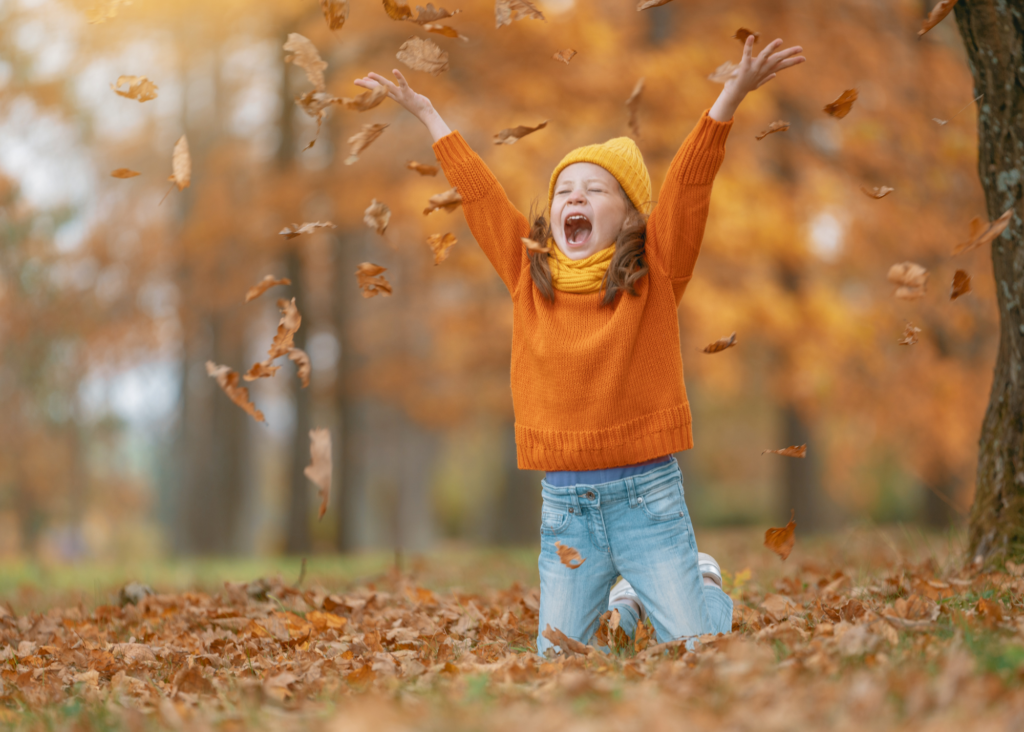
As summer fades and the leaves begin to change, many parents notice their children developing symptoms such as sneezing, itchy eyes, congestion, and coughing. While these symptoms are often mistaken for a cold, they may actually be caused by fall seasonal allergies.
At Colonia Pediatrics, our experienced team works closely with families throughout New Jersey to help children manage seasonal allergy symptoms and improve their quality of life. If you’re looking for a trusted Pediatrician in Elizabeth, NJ, understanding the causes and symptoms of fall allergies can help you determine when your child may need professional care.
Yes. Many parents ask, “Are allergies common in the fall?” or “Are fall allergies a thing?” The answer is absolutely yes.
While spring allergies often receive the most attention, allergies in the fall affect millions of children every year. In fact, some children experience stronger symptoms during autumn than they do during spring.
Children who have asthma, eczema, or a family history of allergies may be particularly susceptible to seasonal reactions.
Parents frequently wonder, “What causes allergies in fall?” Several environmental triggers can contribute to symptoms.
One of the most common fall allergens is ragweed pollen. Ragweed begins releasing pollen in late summer and can continue into October in many areas.
Even a small amount of pollen can trigger significant symptoms in sensitive children.
Wet leaves, damp grass, and decaying vegetation create ideal conditions for mold growth.
When mold spores become airborne, they can trigger fall allergy symptoms similar to those caused by pollen.
As temperatures drop, families spend more time indoors. Increased exposure to carpets, bedding, stuffed animals, and upholstered furniture can worsen allergy symptoms caused by dust mites.
A common question parents ask is, “When do fall allergies start?”
In many regions, symptoms begin in late August and may continue through October or until the first hard frost significantly reduces pollen levels.
Some families notice that allergies this fall seem worse than previous years due to weather conditions and higher pollen counts.
Parents often ask, “What do fall allergies feel like?”
Common symptoms include:
Children with allergies in babies eyes may frequently rub their eyes or complain of irritation.
Some children may also experience a pollen symptoms headache due to sinus pressure and congestion.
Many parents compare fall allergies vs spring allergies and wonder whether symptoms differ.
Typically caused by:
Usually triggered by:
While symptoms are often similar, identifying the seasonal trigger helps create an effective management plan.
Distinguishing between an infant cold vs allergies can be challenging.
If you’re unsure, a pediatric evaluation can help identify the underlying cause.
Parents often ask whether seasonal allergies in babies are possible.
While allergies are less common in infants because they have had limited exposure to environmental allergens, toddlers and preschool-aged children can certainly develop seasonal allergies.
Common symptoms of allergies in kids include:
Parents may notice:
Many families also ask, “When do kids develop seasonal allergies?” Symptoms often become more noticeable after repeated seasonal exposures over several years.
Some parents report symptoms beyond sneezing and congestion.
Postnasal drip can sometimes irritate the stomach, leading to nausea or discomfort.
Seasonal allergies themselves do not typically cause diarrhea, but swallowed mucus or medications may occasionally contribute to gastrointestinal symptoms.
Any persistent digestive symptoms should be evaluated by a pediatrician.
Children with severe allergies can develop:
Parents occasionally ask about allegra and headaches or whether allergy medications contribute to headaches. Medication side effects can vary, and concerns should always be discussed with your pediatrician.
Some parents also wonder, “Can allergies cause muscle spasms?” While muscle spasms are not a typical symptom of seasonal allergies, dehydration, fatigue, or other medical conditions could be contributing factors.
Treatment depends on the child’s age, symptom severity, and trigger exposure.
Options may include:
Determining the best allergy medicine for fall allergies should be done in consultation with your child’s pediatrician.
Many parents ask about essential oils that help allergies or what essential oils are good for allergies.
While some families find that certain essential oils promote comfort and relaxation, scientific evidence regarding allergy treatment remains limited. Always consult your pediatrician before using essential oils around infants and young children.
Schedule an appointment if your child experiences:
A pediatric evaluation can help determine whether your child is experiencing common fall allergies, asthma, a cold, or another condition.
At Colonia Pediatrics, we provide comprehensive allergy evaluations and treatment plans tailored to your child’s needs.
As a trusted Pediatrician in Elizabeth, NJ, we help families identify triggers, manage symptoms, and keep children healthy during every allergy season.
From ragweed pollen to mold spores, many environmental factors contribute to fall time allergies. Understanding the signs, symptoms, and treatment options can help your child stay comfortable and active throughout the season.
If your child is experiencing persistent allergy symptoms, the team at Colonia Pediatrics is here to provide expert guidance and personalized care.
Written & Medically Reviewed By Dr. Jigisha Chaudhary, Consultant Pediatrician with over 20+ years of experience
Last Updated: 23 November 2026