

Written & Medically Reviewed By Dr. Jigisha Chaudhary, Consultant Pediatrician with over 20+ years of experience
Last Updated: 25 July 2026
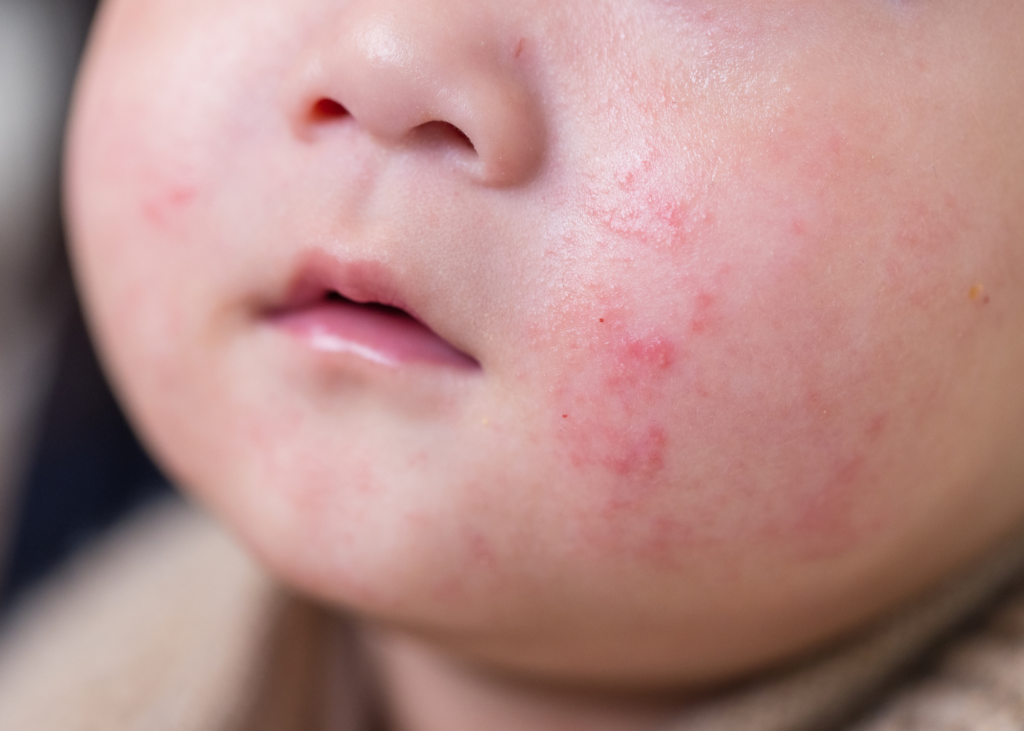
Eczema is one of the most common skin conditions affecting infants and children. Characterized by dry, itchy, and inflamed skin, eczema can range from mild irritation to severe flare-ups that interfere with sleep, play, and everyday activities. While the condition is chronic, proper skincare and timely medical treatment can help manage symptoms and reduce flare-ups.
Many parents become concerned when they notice persistent dry patches or rashes on their child’s skin. Understanding what eczema is, what causes it, and how it can be treated is the first step toward helping your child stay comfortable and healthy.
At Colonia Pediatrics, we provide comprehensive care for children with eczema and other skin conditions. Whether you’re looking for a trusted Pediatrician in Avenel or an experienced Pediatrician in Colonia, our team is committed to helping families manage childhood eczema with personalized care and evidence-based treatment plans.
Eczema, medically known as atopic dermatitis, is a chronic inflammatory skin condition that damages the skin’s protective barrier. Healthy skin acts as a shield that keeps moisture in and irritants out. In children with eczema, this barrier doesn’t function properly, allowing moisture to escape while making the skin more vulnerable to allergens, bacteria, and environmental irritants.
The result is skin that becomes dry, itchy, red, and easily irritated. Eczema often appears in flare-ups, meaning symptoms improve for a period of time before returning. Although there is currently no permanent cure, many children experience fewer symptoms as they grow older.
Yes. Eczema is one of the most frequently diagnosed skin conditions in childhood. It often develops during the first year of life, with many babies showing symptoms between two and six months of age.
Children who have eczema may also be more likely to develop asthma, seasonal allergies, or allergic rhinitis later in life. This progression is sometimes referred to as the “atopic march.”
No. Eczema is not contagious. Your child cannot catch eczema from another person, nor can they spread it through physical contact, sharing toys, or attending school or daycare.
Eczema symptoms vary depending on the child’s age and the severity of the condition. Some children experience occasional mild flare-ups, while others require ongoing medical management.
One of the earliest signs of eczema is persistently dry skin. The skin may appear rough, flaky, or scaly and often feels tight or uncomfortable. Dry skin makes children more prone to itching and irritation.
Parents may notice that their child’s skin remains dry even after applying regular lotion. Using thick, fragrance-free moisturizers several times a day is often recommended to help restore the skin barrier.
Itching is the hallmark symptom of eczema and is often the most bothersome. Children may scratch constantly, especially during the night, leading to interrupted sleep and increased discomfort.
Unfortunately, scratching creates a cycle of irritation. The more a child scratches, the more inflamed the skin becomes, increasing the risk of infection and making flare-ups more severe.
Inflamed areas may appear red on lighter skin tones. On darker skin tones, eczema may look brown, purple, gray, or darker than the surrounding skin.
The affected areas can become swollen and tender during flare-ups, particularly if excessive scratching has occurred.
Children with eczema may develop raised bumps, rough patches, or areas that become crusty or ooze fluid during severe flare-ups. Eczema can also look circular, discolored patches (hypopigmented skin patch) which can closely resemble fungal infection (Tinea Corporis – ring worm) Over time, repeated scratching can cause the skin to thicken and develop a leathery texture, a condition known as Lichenification.
The location of eczema often changes as children grow. Eczema can appear in any part of the body but below are some common sites:
In infants, eczema usually appears on:
Interestingly, the diaper area is usually spared because it remains moist and protected.
As children get older, eczema can appear in any part of the body but commonly affects skin folds and areas exposed to frequent movement, including:
The rash may come and go, with flare-ups occurring after exposure to certain triggers.
Eczema does not have one single cause. Instead, it develops due to a combination of inherited factors and environmental influences.
Children with a family history of eczema, asthma, or allergies are more likely to develop eczema themselves. Certain inherited gene changes affect the skin’s ability to retain moisture, making it easier for irritants to penetrate the skin.
Although triggers do not directly cause eczema, they can lead to flare-ups or make symptoms more severe. Every child is different, so identifying your child’s specific triggers can play an important role in managing the condition.
Cold weather and indoor heating can dry out the skin, making eczema symptoms worse. Applying a fragrance-free moisturizer several times a day and using a humidifier during the winter months may help maintain skin hydration.
Many soaps, bubble baths, shampoos, lotions, and laundry detergents contain fragrances and chemicals that can irritate sensitive skin. Parents should choose gentle, fragrance-free skincare products specifically designed for children with sensitive skin.
Overheating and excessive sweating are common eczema triggers. Dressing your child in lightweight, breathable cotton clothing and keeping indoor temperatures comfortable can help reduce irritation.
Some children with eczema are sensitive to environmental allergens such as:
Reducing exposure to known allergens may decrease the frequency of eczema flare-ups.
Food allergies do not cause eczema, but certain foods may trigger flare-ups in children with confirmed food allergies. Common food allergens include:
Parents should avoid eliminating foods from their child’s diet without consulting a pediatrician or allergist, as unnecessary dietary restrictions can affect proper growth and nutrition.
Most cases of eczema can be diagnosed during a physical examination. Your child’s pediatrician will review their symptoms, medical history, family history of allergies or asthma, and examine the affected skin.
A pediatrician evaluates the appearance, location, and severity of the rash to determine whether it is consistent with eczema or another skin condition.
Information about previous flare-ups, allergies, asthma, and family history helps establish an accurate diagnosis.
If allergies are suspected to be contributing to eczema flare-ups, your pediatrician may recommend allergy testing or refer your child to an allergy specialist.
While eczema cannot be cured, effective treatment can significantly reduce symptoms and improve your child’s quality of life.
Moisturizing is the cornerstone of eczema treatment. Thick creams and ointments are generally more effective than lotions because they help lock in moisture and strengthen the skin barrier.
For best results:
Depending on the severity of your child’s eczema, your pediatrician may prescribe:
Always use prescription medications exactly as directed by your healthcare provider.
Bathing can actually benefit children with eczema when done correctly.
Follow these tips:
Since scratching worsens eczema, helping children control itching is essential. Parents can:
Encourage children to avoid scratching whenever possible.
Although flare-ups cannot always be prevented, a consistent skincare routine can greatly reduce their frequency and severity.
Even when the skin appears healthy, daily moisturizing helps maintain the skin barrier and reduces future flare-ups.
Keeping a symptom diary may help identify activities, products, or environmental factors that trigger your child’s eczema.
Dress your child in soft, loose-fitting cotton clothing and avoid rough fabrics such as wool that may irritate sensitive skin.
Avoid excessive heat, sweating, and sudden temperature changes whenever possible.
While mild eczema can often be managed at home, medical evaluation is recommended if:
Early diagnosis and treatment can help prevent skin infections and improve your child’s comfort.
At Colonia Pediatrics, we understand how challenging eczema can be for both children and parents. Our experienced providers work closely with families to develop individualized treatment plans that address each child’s unique needs. From identifying potential triggers to recommending effective skincare routines and medications, we provide comprehensive care to help children manage eczema and maintain healthy skin.
Whether you are searching for a trusted Pediatrician in Avenel, an experienced Pediatrician in Colonia, or a compassionate pediatric team for your child’s skin concerns, Colonia Pediatrics is committed to delivering exceptional pediatric care in a welcoming environment.
Yes. Many children experience fewer eczema symptoms as they grow older, although some may continue to have occasional flare-ups into adolescence or adulthood.
No. Eczema cannot be spread through touching, sharing clothing, or close contact with another person.
Yes. Frequent scratching can damage the skin, allowing bacteria to enter and cause infection. Signs of infection include increased redness, swelling, pus, crusting, pain, or fever.
Thick, fragrance-free creams and ointments are generally more effective than lotions because they provide better moisture retention and help repair the skin barrier.
If your child’s eczema is persistent, worsening, or interfering with daily activities or sleep, it’s important to schedule an evaluation with a pediatrician for personalized treatment recommendations.
If your child is experiencing persistent dry skin, itching, or recurring eczema flare-ups, the experienced team at Colonia Pediatrics is here to help. We provide comprehensive evaluation, personalized treatment plans, and ongoing support to help children manage eczema and enjoy healthier skin.
Families looking for a trusted Pediatrician in Avenel, Pediatrician in Colonia, or a reliable pediatric clinic in the area can count on Colonia Pediatrics for compassionate, high-quality care. Contact our office today to schedule an appointment and give your child the expert pediatric care they deserve.
Written & Medically Reviewed By Dr. Jigisha Chaudhary, Consultant Pediatrician with over 20+ years of experience
Last Updated: 25 July 2026